
Setting up foundations for a measurable marketing machine.
I joined Mantel Group marketing team during a pivotal moment. Over the course of 8 months, We worked from the inside out, laying down strategies, shaping the digital ecosystem, and bringing consistency to how Mantel showed up. The role spanned from content strategy to marketing ops, always focused on making sure that efforts landed with measurable impact.
Year
2024
Client
Toolset
Miro / Figma / Google Workspace / WordPress / Mailchimp / LinkedIn / Buffer / Bettermode / Canva / Salesforce / Trello / Slack / Semrush / Google Analytics / Google Search Console / Databox
Challenge
From brand merger to marketing momentum.
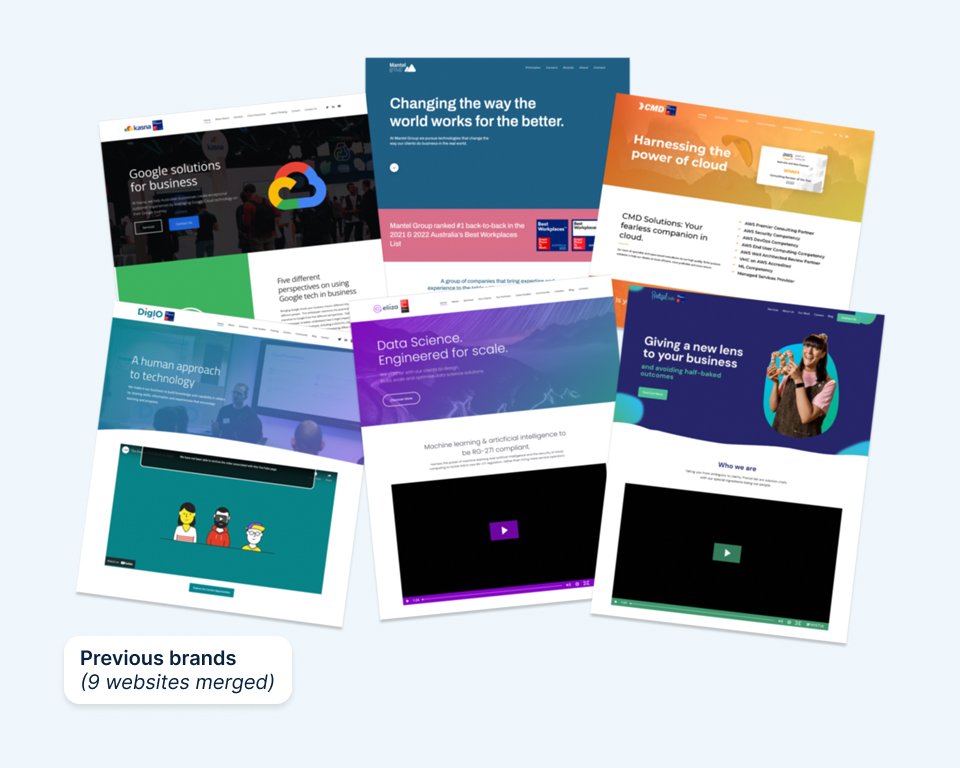
Mantel Group had just achieved a significant milestone: bringing together nine brands under one unified organisation. The culture was energised, and collaboration was on the rise. Externally, the marketing was active: campaigns happening, posts going out, events being hosted, and new pages being created.
However, much of it was in a reactive rhythm, without a consistent blueprint to tie everything together. The website reflected traces of the legacy brands, and while the tech stack was in place, it lacked the integration to perform as a single, connected ecosystem.
There was talent, interest, and plenty of valuable content, the opportunity lay in shaping it into a clear, centralised strategy and building the foundations for scalable growth.
Process
Building strategic marketing foundations.
We aimed shifting from one-off, reactive marketing activities toward a more connected and purposeful approach. Instead of simply responding to requests or creating content in isolation, the focus became establishing marketing as a steady driver of growth, engagement, and alignment.
This involved developing a clearer strategy, setting up the integration of systems that had been working separately, and introducing data foundations that didn’t just report on activities but on their impact on organisational results.
Solution
Bringing tools, content and processes together.
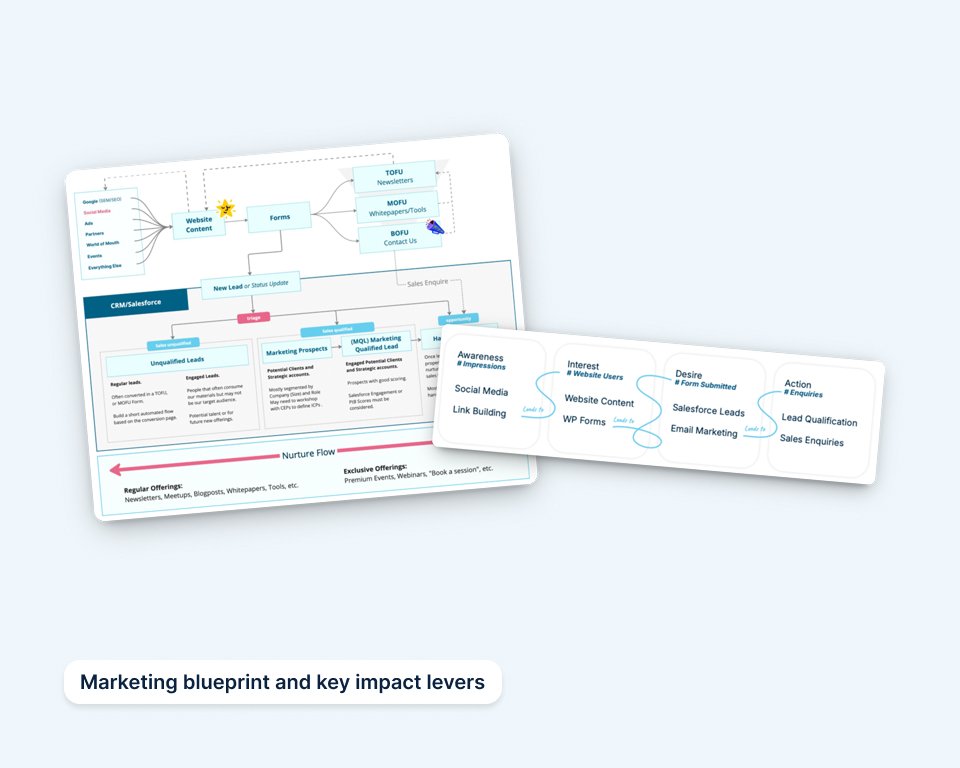
The first step was creating a strategic blueprint, clear narrative, a defined funnel, and shared objectives to support the reasons why marketing team operates. From that foundation, we then moved into practical integration.
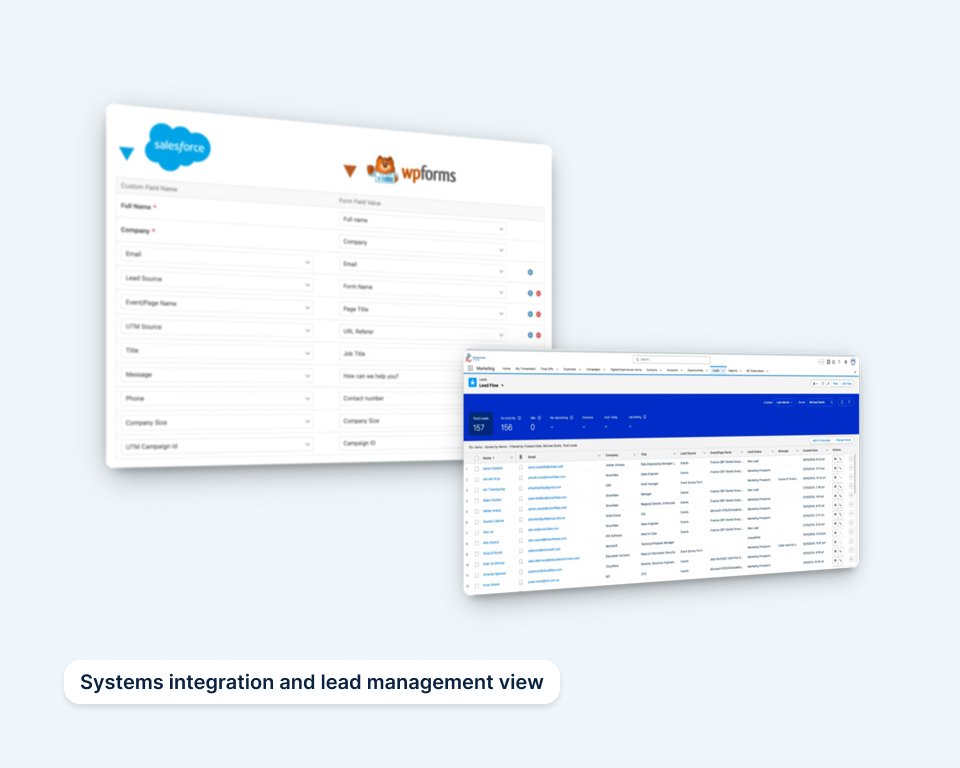
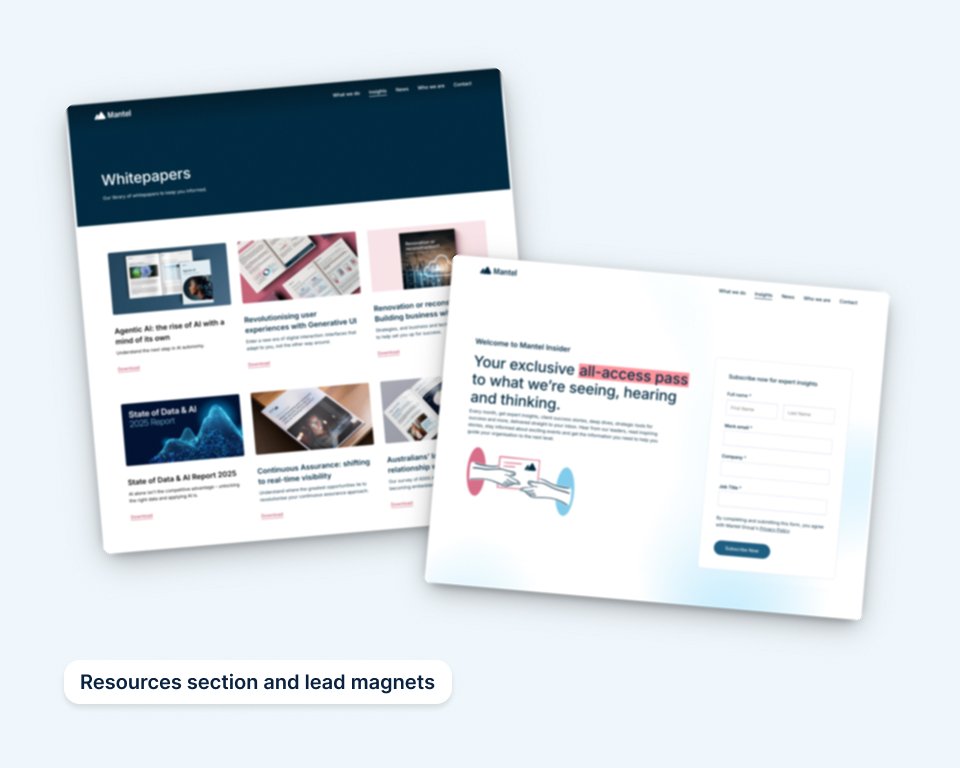
We mapped out and stitched together our data pipelines, form WordPress, Mailchimp, and Salesforce, to streamline forms, automate lead capture, and define qualification rules. This meant marketing activity could be measured from awareness to sales opportunities.
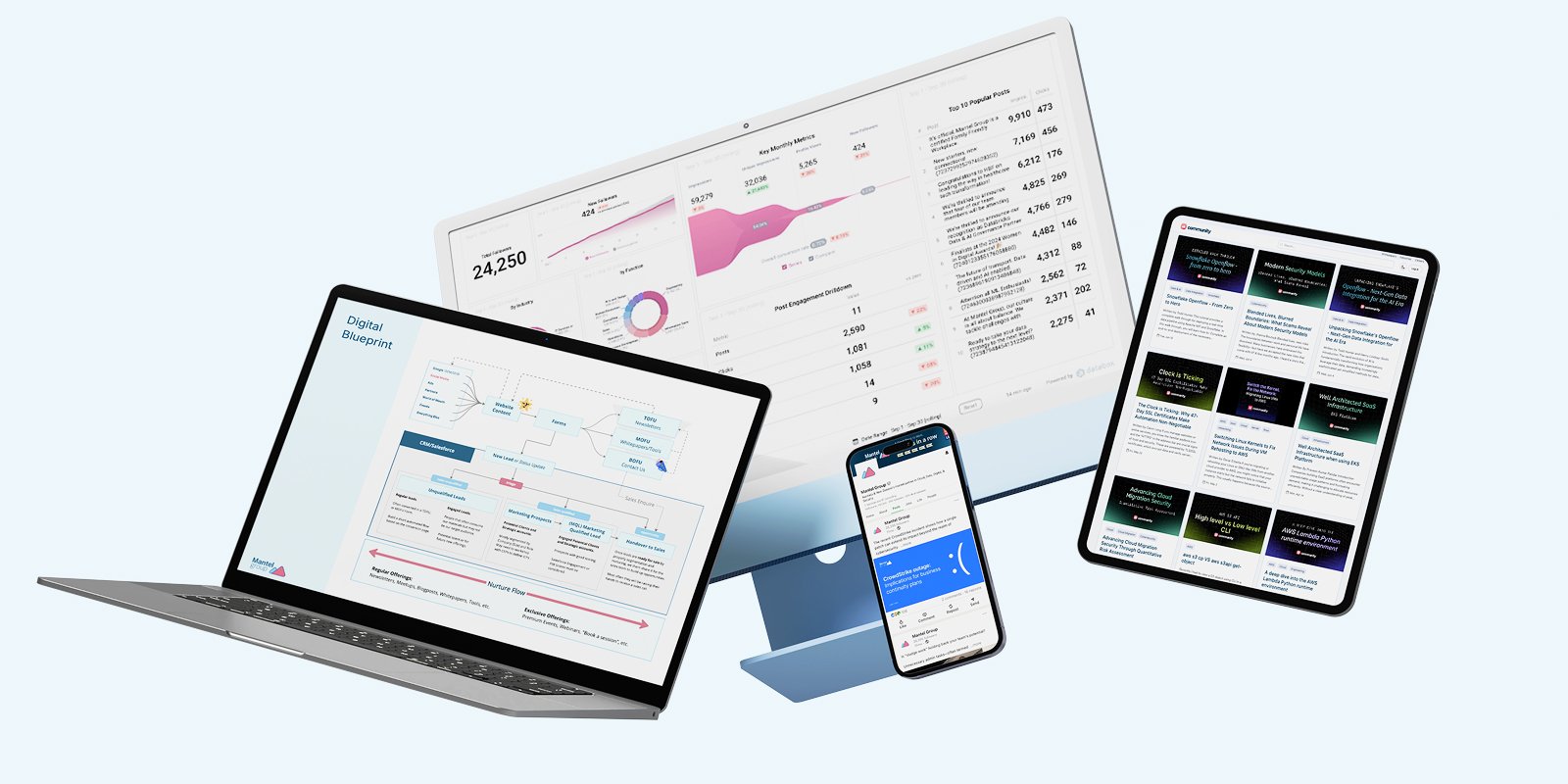
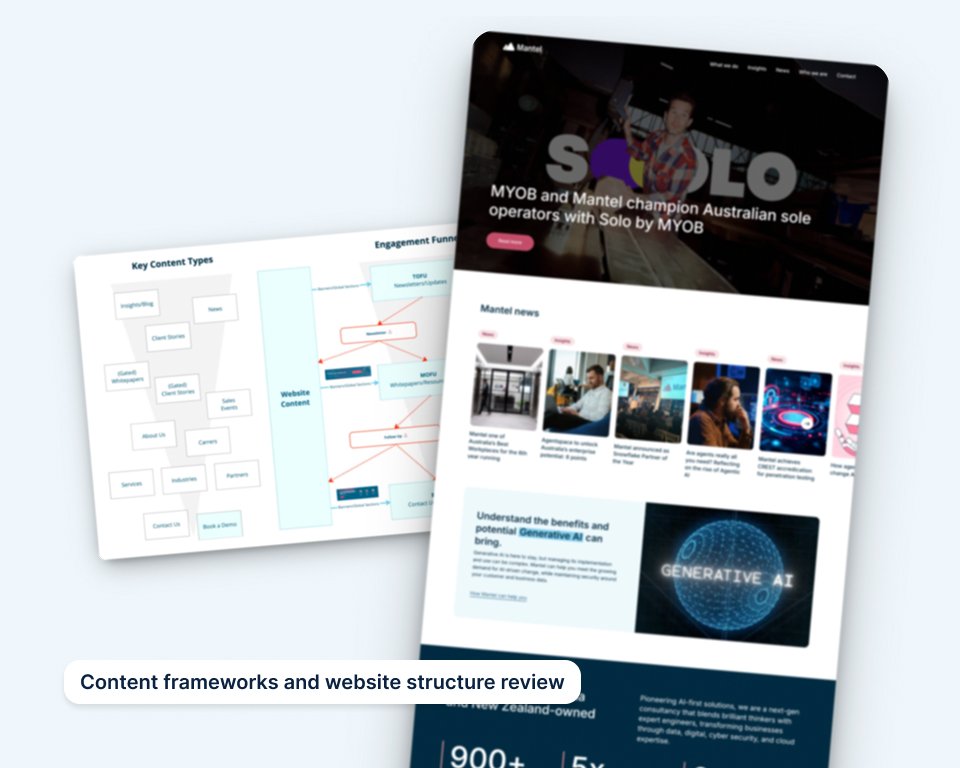
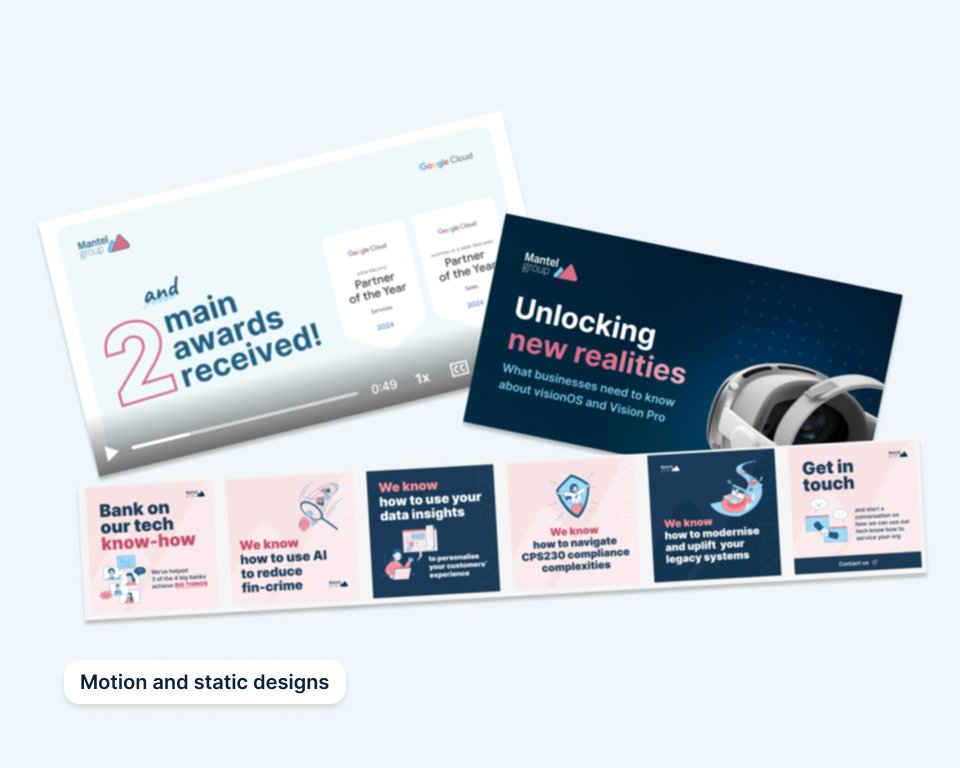
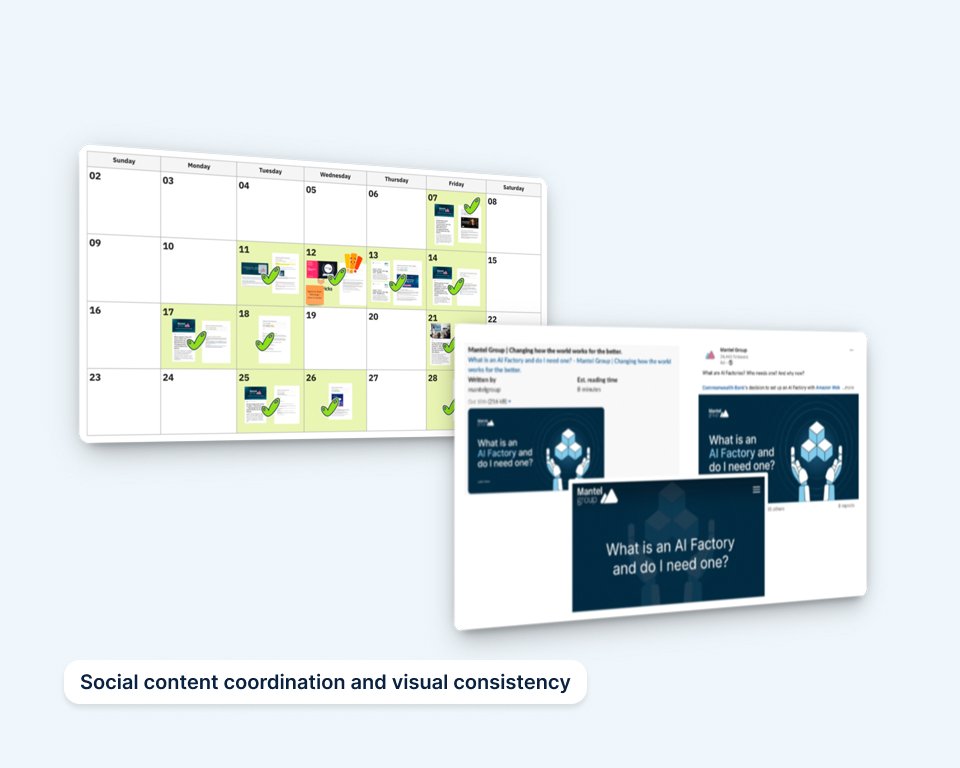
On the content front, I managed social media end-to-end: from design and copy to scheduling, approvals, and reporting. I also did a review of the website content structure, supported the consolidation of pages from legacy brands, and implemented performance tracking to better understand users engagement.
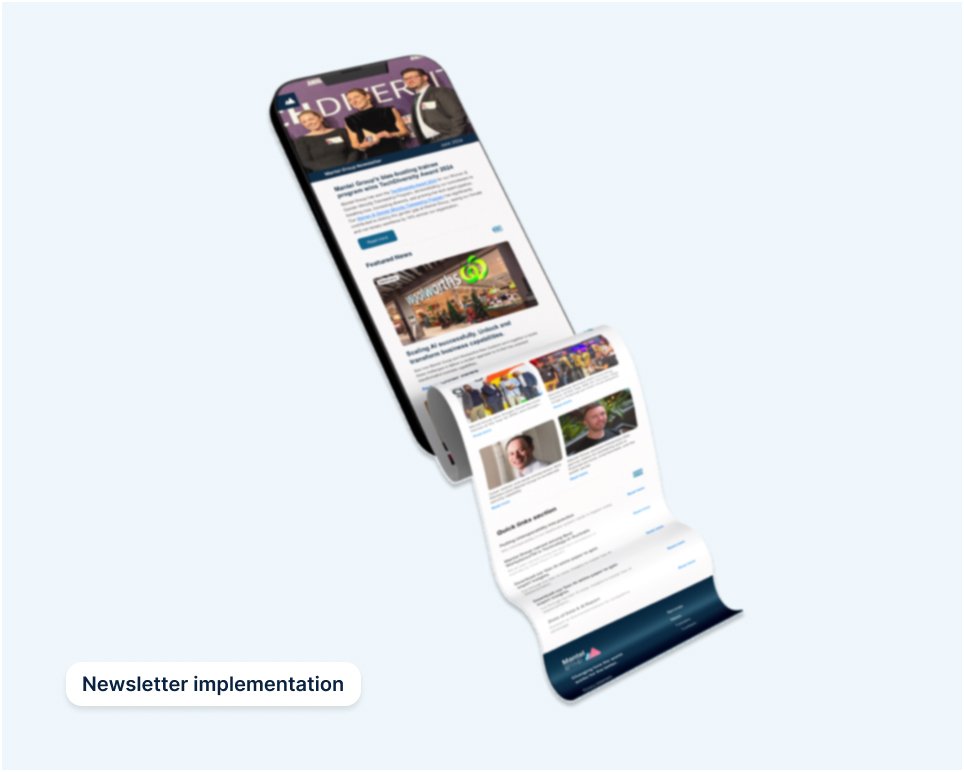
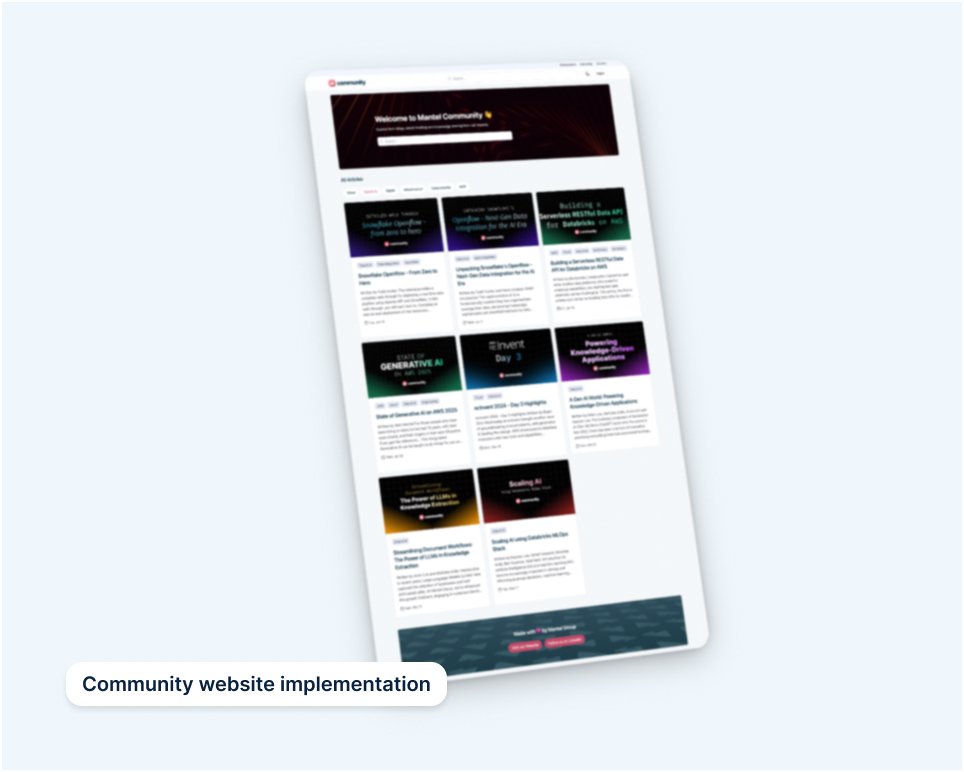
We launched Mantel Insider, a monthly newsletter designed to nurture our audiences with sharing company updates, thought leadership, and success stories. We also introduced Mantel Community, a collaborative content platform that empowered our technical teams to share their expertise externally with greater autonomy, strengthening the company’s voice in the market.
Results
From activity to impact orientation.
After a few months, marketing efforts shifted from ad hoc activities to more integrated, accountable operations.
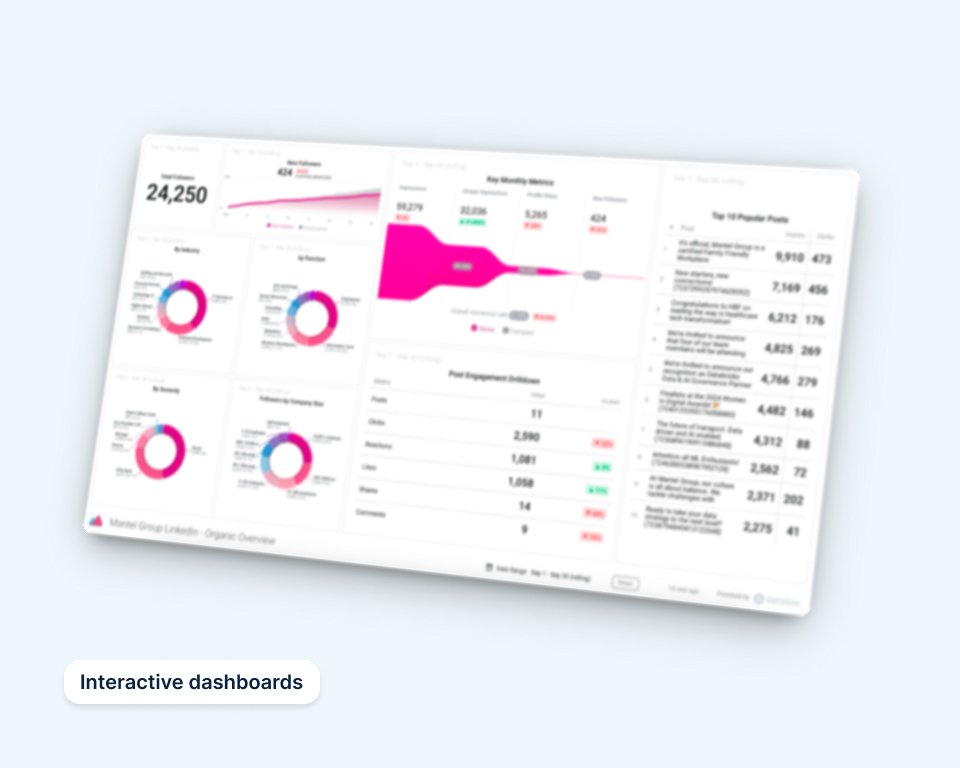
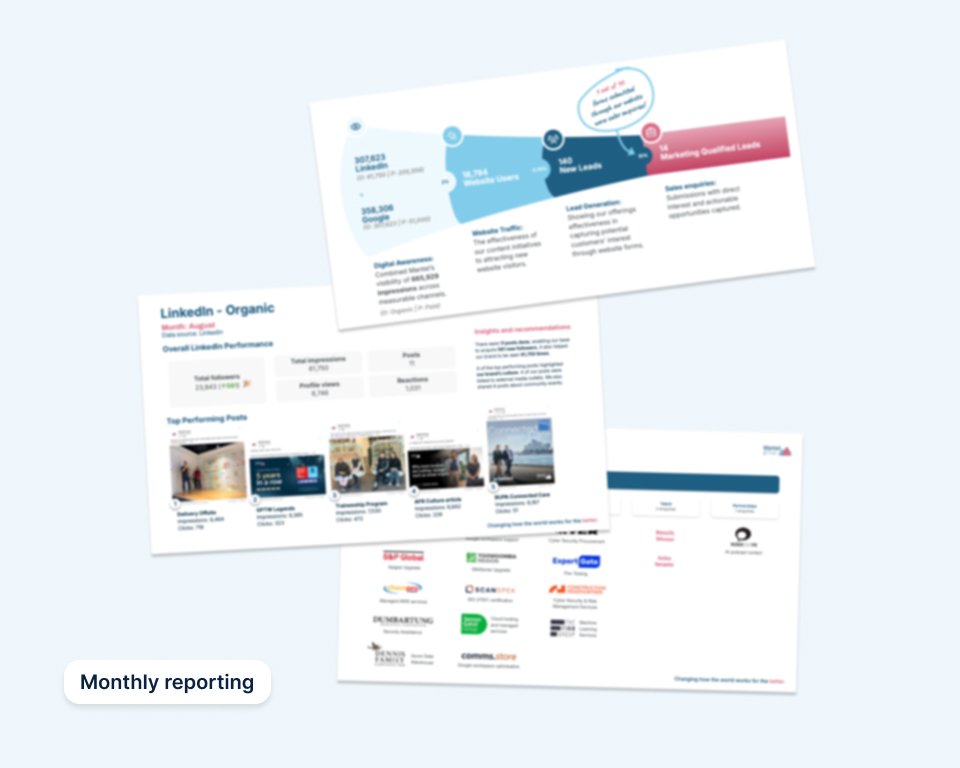
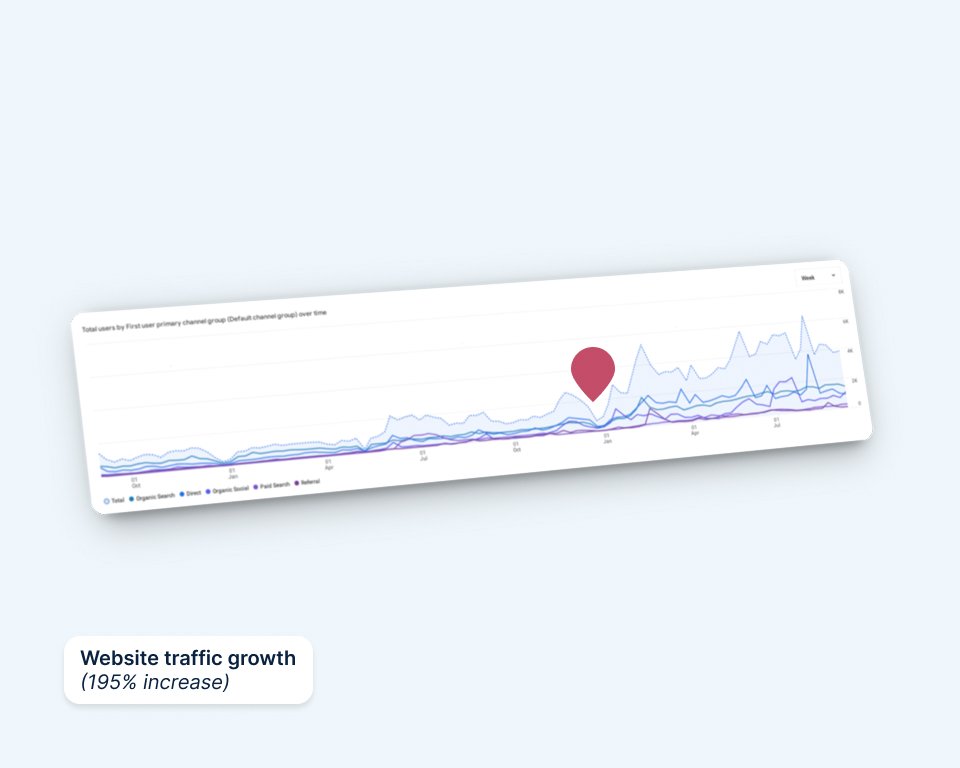
We moved from reactive to proactive functions, with tools and processes that enabled repeatable campaigns and clear performance indicators. We saw substantial growth in impressions, website users, leads and real sales opportunities.
Internally, the team was more aligned and confident, with the foundations and handover materials in place to keep scaling.
Takeaways
Aiming for strategic enablement over surface level campaigns.
Meaningful marketing isn’t just about flashy campaigns, it’s more about building a measurable machine.
Starting from strategy, integrating tech stack, and improving analytics across marketing efforts created a strong foundation for impactful work. And because we focused on those strategic foundations, rather than publishing the next campaign for the sake of it, the growth could become imminent and scalable.
Most times, the real marketing transformation comes from making things work better together: Building structure around operations; making tools talk to each other; giving teams the clarity to act with purpose; and measuring what matters the most.